
Posted on

Enhancing Commercial Refrigeration Efficiency: Key Strategies and Technologies

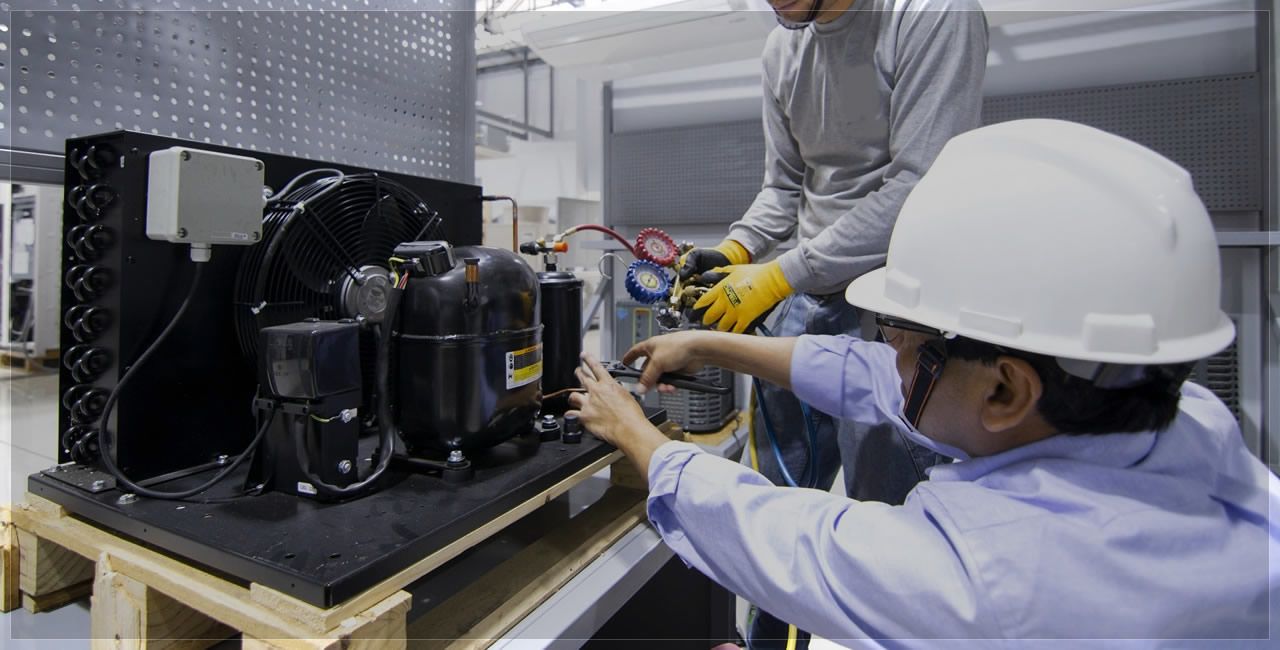
Commercial Refrigeration is a vital aspect of many businesses, and optimizing its efficiency can lead to cost savings and environmental benefits. In this blog, we will explore key strategies and technologies that can enhance the efficiency of commercial refrigeration systems offered by Super Services:

  1. Proper Equipment Sizing: Learn about the importance of selecting the right-sized refrigeration equipment to avoid energy waste and ensure optimal performance in commercial settings.
  2. Energy-Efficient Refrigeration Units: Explore the latest advancements in energy-efficient refrigeration units, such as variable speed compressors, advanced insulation materials, and LED lighting, that can significantly reduce energy consumption.
  3. Smart Temperature Controls: Discover how smart temperature controls, including programmable thermostats and automated demand response systems, can help businesses achieve precise temperature management while minimizing energy usage.
  4. Regular Maintenance and Servicing: Understand the significance of regular maintenance and servicing for commercial refrigeration systems to ensure their optimal performance, extend their lifespan, and avoid costly breakdowns.
  5. Airflow Optimization: Learn about the importance of proper airflow design and management within commercial refrigeration units, including strategic placement of fans and regular cleaning of condenser coils, to improve overall system efficiency.
  6. Energy Management Systems: Explore the benefits of implementing energy management systems that integrate with commercial refrigeration units, enabling remote monitoring, data analysis, and optimization of energy usage.
  7. Retrofitting and Upgrades: Discover how retrofitting existing commercial refrigeration systems with energy-efficient components, such as electronically commutated motors (ECMs) and high-efficiency evaporator fans, can enhance their performance and energy efficiency.
  8. Training and Education: Highlight the significance of training and educating employees on best practices for operating and maintaining commercial refrigeration systems, ensuring their proper use and maximizing energy efficiency.
Posted on Leave a comment

Optimizing Indoor Comfort: The Latest Innovations in Air Conditioning Systems

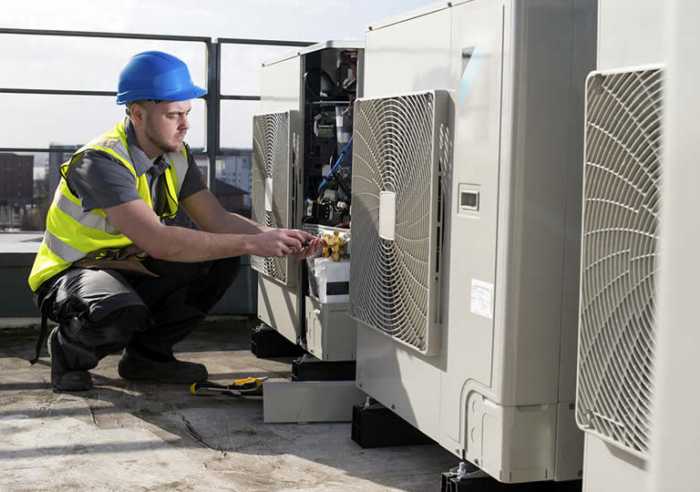
Air conditioning plays a crucial role in maintaining indoor comfort, and advancements in technology have led to more efficient and intelligent systems. In this blog, we will explore the latest innovations in air conditioning systems and how they can enhance the services provided by Super Services:

  1. Energy-Efficient Cooling Solutions: Discover the advancements in energy-efficient air conditioning systems, including variable refrigerant flow (VRF) systems, inverter technology, and high-efficiency air handlers, that offer improved cooling performance while reducing energy consumption.
  2. Smart Thermostats and Zoning: Explore how smart thermostats and zoning capabilities can optimize energy usage by allowing precise temperature control in different zones, improving comfort and reducing energy waste.
  3. Indoor Air Quality Enhancement: Learn about the integration of air purifiers, ventilation systems, and humidity control features in modern air conditioning systems to ensure superior indoor air quality and a healthier environment.
  4. Remote Monitoring and Maintenance: Delve into the benefits of remote monitoring and maintenance for air conditioning systems, which enable real-time performance tracking, proactive issue detection, and remote troubleshooting for increased efficiency and reduced downtime.
  5. Eco-Friendly Refrigerants: Stay up-to-date with the latest developments in refrigerants, such as low global warming potential (GWP) options and natural refrigerants, that offer environmentally friendly alternatives for air conditioning systems.
  6. Air Conditioning and Smart Home Integration: Explore the integration of air conditioning systems with smart home platforms, enabling seamless control, scheduling, and energy optimization through voice commands or mobile apps.
  7. Ductless Mini-Split Systems: Learn about the advantages of ductless mini-split systems, including individual temperature control, ease of installation, and energy efficiency, making them an ideal choice for both residential and commercial applications.